
The Reserve Bank of India's (RBI's) job to bring down inflation is not over, and any premature move on the policy front could undermine the success achieved so far on the price situation, according to RBI Governor Shaktikanta Das. RBI's rate setting panel, Monetary Policy Committee (MPC), had met for three days from February 6-8. The panel decided to leave the key policy rate unchanged at 6.5 per cent for the sixth time in row.

India witnessed a 12 per cent year-on-year (YoY) jump in total household wealth last year, at $14,225 billion, according to the Global Wealth Report 2022 by Credit Suisse. The report also forecasts the number of millionaires in the country to more than double from 796,000 in 2021 to 1.6 million in 2026. According to the report, which is based on data for the wealth holdings of 5.3 billion adults across nearly 200 countries, global household wealth rose 9.8 per cent in 2021 to $463.6 trillion, driven by widespread gains in share prices and a favourable environment created by central bank policies in 2020 to lower interest rates but at the cost of inflationary pressure.

The Reserve Bank's rate-setting panel will start its 3-day deliberations on Wednesday amid expectations of yet another rate hike of 50 basis points to check high inflation, in line with similar actions taken by other major central banks, including the US Fed. Based on the recommendations of the Monetary Policy Committee (MPC), the RBI had effected 50 basis points increase in repo rate each in June and August after raising the short-term lending rate by 40 basis points in an off-cycle decision in May. The MPC, headed by RBI Governor Shaktikanta Das, is scheduled to meet during September 28-30.

Infosys was the top gainer in the Sensex pack, jumping over 4 per cent, followed by Tech Mahindra, Tata Steel, ICICI Bank, ITC, Maruti, SBI and Axis Bank. On the other hand, HCL Tech, M&M, Dr Reddy's, Asian Paints, Bajaj Auto and Bharti Airtel were among the laggards.

With raw material prices rising sequentially in Q4 FY23, margins of fast moving electrical goods (FMEG) companies could witness pressure as they refrain from hiking prices and demand remains soft. Transition to a new regulatory regime-fans moved to new BEE standards from January 1-poses additional risk for firms. Business depends on volume trends in summer for key sub-segments, which account for a significant chunk of the sector's overall sales pie.

The RBI has targeted 6 per cent inflation by January and 4 per cent by March 2018.

Concerned over inflationary pressures in the economy, the Reserve Bank of India (RBI) is bringing down surplus liquidity in the system rapidly. It has fallen to pre-Covid levels and almost 2 per cent of banks' net demand and time liabilities (NDTL). NDTL shows the difference between the sum of demand and time liabilities (deposits) of a bank (with the public or the other bank) and the deposits in the form of assets held by the other bank.

Retail inflation fell to a 15-month low of 5.66 per cent in March, mainly due to a decline in food prices, government data showed on Wednesday. The inflation figure in March is within the RBI's comfort zone as it is below 6 per cent. The retail inflation based on Consumer Price Index (CPI) was 6.44 per cent in February 2023 and 6.95 per cent in the year-ago period.
A likely easing in inflationary pressures in the forthcoming months will reopen the window for the RBI to once again prioritise growth and ease its interest rates.

The outbreak of the Omicron variant of the coronavirus and unprecedented lockdowns in China have roiled its equity market and also that of Hong Kong. After the crisis-hit Sri Lanka, China and Hong Kong are the worst-performing stock markets in Asia on a year-to-date basis.

The wholesale price-based inflation in February rose to 13.11 per cent on hardening of prices of crude oil and non-food items, even though food articles softened. After two months of mild easing, WPI inflation accelerated in February and remained in double digits for the 11th consecutive month, beginning April 2021. WPI inflation last month was 12.96 per cent, while in February last year, it was 4.83 per cent. The rise in crude oil and natural gas prices after the Russian invasion of Ukraine, beginning February 24, has put pressure on the wholesale price index, even though food articles saw softening across categories of vegetables to pulses to protein-rich items.
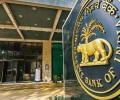
The Reserve Bank of India on Friday raised the benchmark lending rate by 50 basis points to 5.40 per cent to tame inflation.

India's manufacturing sector activities witnessed the strongest rate of growth in three months in July amid improved demand conditions and easing of some local COVID-19 restrictions, a monthly survey said on Monday. The seasonally adjusted IHS Markit India Manufacturing Purchasing Managers' Index (PMI) rose from 48.1 in June to 55.3 in July, pointing to the strongest rate of growth in three months. In PMI parlance, a print above 50 means expansion while a score below 50 denotes contraction.

Equity indices gave up early gains to close in the red for the third session on the trot on Wednesday, weighed by selling in banking and finance counters amid inflationary pressures and persistent foreign fund outflows. A weak rupee and lacklustre global cues also kept buying sentiment in check, traders said. The 30-share BSE Sensex opened on a firm footing but failed to hold on the momentum, finishing 237.44 points or 0.41 per cent lower at 58,338.93. On similar lines, the broader NSE Nifty dipped 54.65 points or 0.31 per cent to close at 17,475.65.

Manufacturers indicated that the ongoing relaxation of COVID-19 restrictions, better market conditions and improved demand helped them to secure new work in October.

'The fiscal pressure will be there, but the intent of the government behind this move is to spur demand and growth.'

'Consumers are willing to increase travel spends by 20-30 per cent versus pre-pandemic.'

Gold is usually seen as a safe-haven when stocks are falling or when inflation is rising. With prices of the yellow metal hovering near record highs, people are also putting off their jewellery purchases. Along with a subdued marriage season, the orders with price open and settled on delivery day, too, are getting cancelled. Apart from high, volatile prices, there is no gold rush yet for the safe-haven asset, crimping demand.

After years of being sequestered by the pandemic, some intrepid travellers are planning to settle their score with the novel coronavirus. With fewer or no travel curbs, they are eager to get back on the road, again. Hotels and tour operators, too, are eager to shed excess Covid baggage. And this year's Diwali promises to add that extra layer sparkle with the introduction of new flights.

From the 30-share pack, Sun Pharma, TCS, Tech Mahindra, NTPC, Wipro, UltraTech Cement, Dr Reddy's Laboratories and Infosys were the major gainers, jumping up to 3.99 per cent. In contrast, Tata Steel, Nestle, Titan Company, PowerGrid, Reliance Industries Limited and State Bank of India were among the laggards.

Tea planters and exporters are "extremely worried" over the possible impact on their shipments to Russia, India's second largest buyer of tea, in the wake of the Russia-Ukraine crisis. Western sanctions and disruption of payments in dollars as well as transhipments to Russia are expected as a fall-out of Russia launching an attack on Ukraine on Thursday. "The Russian market for Indian tea is extremely important as there are payment issues for shipments to Iran, another vital tea export destination. "Around 18 per cent of India's tea shipments go to Russia," India Tea Association chairperson Nayantara Palchoudhuri told PTI.

India's services sector activity surged to a seven-year high in January driven by sharp increase in new business orders, leading to job creation and business optimism amid favourable market conditions, a monthly survey said on Wednesday. The IHS Markit India Services Business Activity Index rose from 53.3 in December to 55.5 in January, signalling the strongest upturn in output in seven years.

With the industrial production dragging the overall growth down, it said the government must also focus on the manufacturing sector by reducing the "infrastructure deficit".

Amid fears of a third wave of coronavirus pandemic and hardening of retail inflation, the Reserve Bank is likely to maintain status quo on interest rate and watch the developing macroeconomic situation for some more time before taking any decisive action on monetary policy. The RBI is scheduled to announce its bi-monthly monetary policy review on August 6 at the end of the three-day meeting -- August 4-6 -- of the Monetary Policy Committee (MPC). The RBI Governor-headed six-member MPC decides on the key policy rates.

Gold jewellery demand in India is likely to decline in the second and third quarters of this fiscal due to hike in import duty, high volatility in prices and inflationary pressure, according to a report. While demand is likely to contract by 8 per cent year-on-year in the second quarter of FY23, the decline is expected to be higher at 15 per cent in the third quarter due to the exceptionally high base in the same period of FY22, Icra said in a report. According to the report, the exceptional third quarter performance in FY22 was due to the post-Covid reopening of the economy and the substantially high demand in the wedding and festive seasons.

Voting for the 2014 general elections will begin in April and it is expected Budget 2014-15 will be presented in June.

Make sure buying a house won't lead to compromises on other crucial financial goals.

Reflecting a loss of "growth momentum", manufacturing activities in the country slowed down to a six-month low in March amid softer increases in new orders, production and employment, according to a survey.

On the job front, Indian service providers continued to add to their payrolls and the sector witnessed the second-strongest increase in employment since March 2011.

Indian Oil Corporation (IOC), the nation's top oil firm, has bought as much as 3 million barrels of crude oil that Russia had offered at steep discount to prevailing international rates, sources said. The purchase, made through a trader, is the first since Russia's February 24 invasion of Ukraine that brought international pressure for isolating Putin administration. Sources aware of the matter said IOC bought Urals crude for May delivery at a discount of $20-25 a barrel to dated Brent.

Inflation trajectory, domestically as also globally, is what will shape the economy, and therefore the market, over the next couple of quarters.'

Bringing petrol, diesel and other petroleum products under the single nation-wide GST regime will reduce taxes on these products and increase the revenue of both the Centre and states, Union Minister Nitin Gadkari said on Wednesday. Finance Minister Nirmala Sitharaman will definitely try to bring petrol and diesel under GST if she gets the support of the state governments, said Gadkari while addressing the Times Now Summit virtually. "In the GST Council, finance ministers of states are also members.

Direct economic stimulus measures such as tax cuts for individuals and industry would have helped to prop up the Indian economy which was hit hard by the lockdowns across several states in India, say economists and corporate leaders. While the measures announced on Monday are focussed more on the supply side, these steps would take a lot of time to move the needle for the economy.

Finance Minister Nirmala Sitharaman is likely to step up efforts to boost consumption and rural economy while keeping inflation under check when she presents her sixth straight Budget on February 1. Experts said one way to boost consumption is to put more money in the hands of people, and one of the possible ways of doing it is by reducing the tax burden through tinkering with tax slabs or increasing the standard deduction. Another proposal is related to increasing the funds under the rural employment guarantee scheme MGNREGA and higher payout for farmers.
Investments in Indian capital through participatory notes (P-notes) rose to Rs 1.02 lakh crore till October-end, making it the highest level in 43 months.

According to Ind-Ra's analysis, credit metrics of hotel companies have showed a downward trend since FY08.

Illustration: Uttam Ghosh/Rediff.com After a brief respite at the year's start, FPIs have dumped shares worth more than $5.7 billion (Rs 42,596 crore), taking the cumulative net outflows since October to $10.5 billion (Rs 78,466 crore), and adding to the volatility on the bourses. The figure would have been a lot worse had it not been for net purchases to the tune of $5.7 billion in the primary market from October to date.

Petrol price in the national capital neared the Rs 85 a litre mark while diesel rates in Mumbai were close to Rs 82 as fuel prices were raised by 25 paise per litre each on Monday. Petrol now costs a lifetime high of Rs 84.95 per litre in Delhi while diesel comes for Rs 75.13, according to a price notification from oil marketing companies. The price hike on Monday came after three days of unchanged rates. Prices were last hiked by 50 paise a litre in two instalments on January 13 and 14.

'It is building the country's infrastructure, and delivering it very efficiently.'

The chemicals sector's recovery could be delayed until FY25 if the current trends of weak demand and flat pricing continue. Following a subdued September quarter, the revenue and profit performance of listed chemicals companies are anticipated to fall short of initial expectations of an improvement. Despite some price stability, the demand trajectory remains uncertain.
